
If we optimize our lives, life will work for us.”
Mark-Odean Grant
I grew up in Jamaica, mostly quiet, curious, and grateful. My grandmother raised me with a mantra she’d repeat whenever anyone asked how she was doing: “Just praising the Lord.” It sounded simple, but it meant everything. Even when things were hard—and they often were—her first instinct was gratitude.
I didn’t realize then how much that shaped me. Gratitude became my default language. Whenever something felt impossible, I’d reverse-engineer it until it made sense. I didn’t yet know that was systems thinking.
But that “no complaint” attitude also taught me to suppress. I learned early to keep the peace, to do what was expected even when it dimmed my light.
“I learned to perform before I learned to breathe.”
When I was a teenager, I joined a youth leadership group at church. I wrote a full plan—vision, roles, and goals—to reach people beyond the four walls. My youth president was thrilled. She took it to the pastor. The next Sunday, my plan came back with a note scrawled across the top:
“Seen. The church is an organism, not an organization.”
That was the first time I felt the sting of being too much. That day, I began to perform—doing what people expected rather than what I knew was possible.

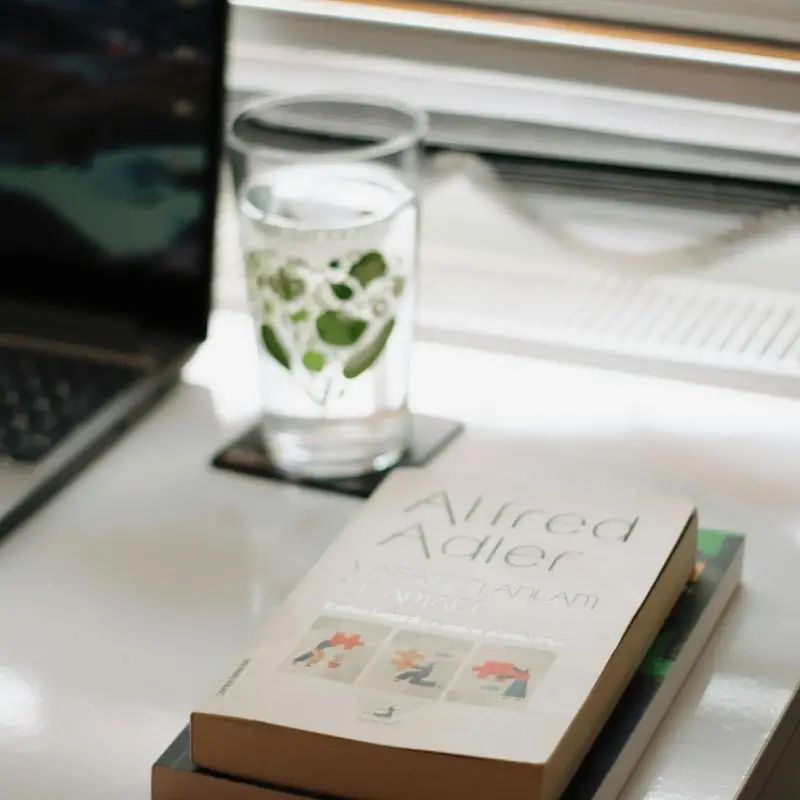
Starting out, I was deep into IT—building computers, teaching myself Windows 95. My Aunt Chris encouraged it, so I enrolled in an IT diploma program. Everything shifted in one class: Business Psychology. I discovered there was an entire science devoted to understanding behavior and the mind. I switched majors immediately.
Later, a coach told me, “It seems you’re not used to being listened to. Try hearing yourself.” That single sentence made me curious about my own mind, not just others’.
Supervising a student’s research on Self-Determination Theory—autonomy, competence, and relatedness—helped me see how much of my drive came from external approval. Psychology gave me a language for freedom.
By 2016, everything looked fine on the outside. Inside, I was unraveling.
My aunt’s sudden death, then my grandmother’s passing, then losing a patient I had cared for—it was wave after wave of loss. Add to that the stress of a new senior role and feeling undervalued at work.
When I confronted payroll about my missing salary, I was told coldly, “I’m not promising I’ll get to it next month either.”
Something in me broke. I sat in my office and cried uncontrollably. I couldn’t breathe. It felt like the end.
That day, the staff doctor asked about my sleep, appetite, mood. I knew the assessment—I’d done it for others. This time, it was me.
Depression. Anxiety. Complicated grief. Adjustment disorder.
That was my breaking point—the dam finally bursting. Yet it was also the start of healing. Therapy helped me rebuild piece by piece.
“Safety now means freedom—the ability to be myself without fear.”
Teaching gave me a front-row seat to transformation. One student told me, “I’ll never understand research. It’s mission impossible.”
We turned her frustration into a real-world research project on why students freeze at worded math problems. Each week, our class faced a new “mission impossible.” By semester’s end, they weren’t just learning research—they were building confidence and competence.
That’s when I knew education wasn’t just about knowledge; it was about unlocking potential.
Later, at the Cabinet Office, I led transformation work for the public sector. I completed a national change management assessment and saw the real issue—leadership itself. When I proposed a leadership development program, a senior official said,
“You’re not qualified to recommend leadership development for senior officers.”
They knew it was needed, but we had to “call it something else.” That’s when I realized: transformation requires more than frameworks—it needs leaders willing to model the future they’re asking others to build.
“Transformation isn’t a job—it’s a calling.”
Clarity came from the breaking. Clarity that transformation isn’t about fixing people—it’s about freeing them.
That’s how Visio Group was born. The spark had been growing since my time in Amway—seeing how communities, energy, and belief could move people. I wanted to build that for something more meaningful: work that heals instead of harms.
Visio became the bridge—uniting psychology, leadership, and technology to help people see clearly, grow wisely, and build what matters.
Everything I’d lived—gratitude, loss, faith, and rebirth—found a home in Visio. It turned pain into architecture.
My story isn’t about arrival; it’s about becoming—over and over again.
From surviving systems to shaping them.
From seeking acceptance to creating belonging.
From striving for success to living with purpose.
“If we optimize our lives, life will work for us.”
That’s the heart of my work—and the reason I show up every day.